


Views: 0 Author: Site Editor Publish Time: 2026-09-23 Origin: Site


Selecting the wrong transformer technology can trigger major project setbacks. You might face strict code compliance failures. Facilities often incur excessive structural retrofitting costs. Building mandatory fire vaults drains project budgets rapidly. A poor choice can also cause premature equipment failure. Operating environments heavily dictate equipment survival. Both transformer types perform the exact same core function. They step electrical voltages up or down. However, their cooling mechanisms fundamentally alter safety profiles. They also dictate physical footprints and maintenance needs. We designed this guide to provide a clear evaluation framework. Facility managers, electrical engineers, and procurement teams will find actionable data here. You will learn how to evaluate specific site requirements. We provide evidence-based parameters for making the right specification decision. Your facility needs reliable power delivery. You must avoid unexpected operational liabilities. Let us explore the critical differences driving modern electrical infrastructure.
Location Dictates Choice: Dry type transformers are the industry standard for indoor commercial and industrial applications due to fire safety, while oil filled transformers dominate outdoor utility and heavy industrial use.
Lifecycle vs. Upfront Cost: Oil filled units typically cost less upfront and offer longer lifespans, but require rigorous fluid maintenance. Dry types cost more initially but carry significantly lower ongoing maintenance burdens.
Overload Capacity: Liquid cooling provides superior thermal mass; oil filled units handle transient overloads better than air-cooled dry types.
Compliance & Risk: Specifying oil filled units indoors requires expensive risk mitigation (fire-rated vaults, fluid containment systems) that often negates their lower purchase price.
Structural differences directly impact everyday operational realities. We must look beyond basic top-of-funnel definitions. The cooling medium dictates how a transformer behaves under stress. It changes how engineers plan facility layouts. You cannot separate the physical design from its performance limitations.
This category relies purely on ambient air convection. These units utilize solid insulation materials. Manufacturers typically use epoxy resin or vacuum pressure impregnation (VPI). The dry type transformer eliminates liquid entirely. This structural choice brings strict physical constraints. Limited thermal dissipation limits performance limits. Air transfers heat poorly compared to liquids. Manufacturers must design these units physically larger. They require more surface area for the same power rating. A larger footprint demands more floor space. Air-cooled units also demand excellent room ventilation. Stagnant air will cause rapid overheating.
These units submerge active components in liquid. They traditionally use highly refined mineral oil. Some modern units use alternative synthetic or vegetable fluids. The liquid provides exceptional electrical insulation. It also delivers superior thermal dissipation. An oil filled transformer pulls heat away from coils rapidly. Highly efficient cooling allows a more compact footprint. You can fit higher power capacities into smaller spaces. However, this efficiency introduces distinct risks. Leaks remain a constant environmental threat. Fluid spills create severe legal liabilities. The presence of oil completely changes facility safety requirements.
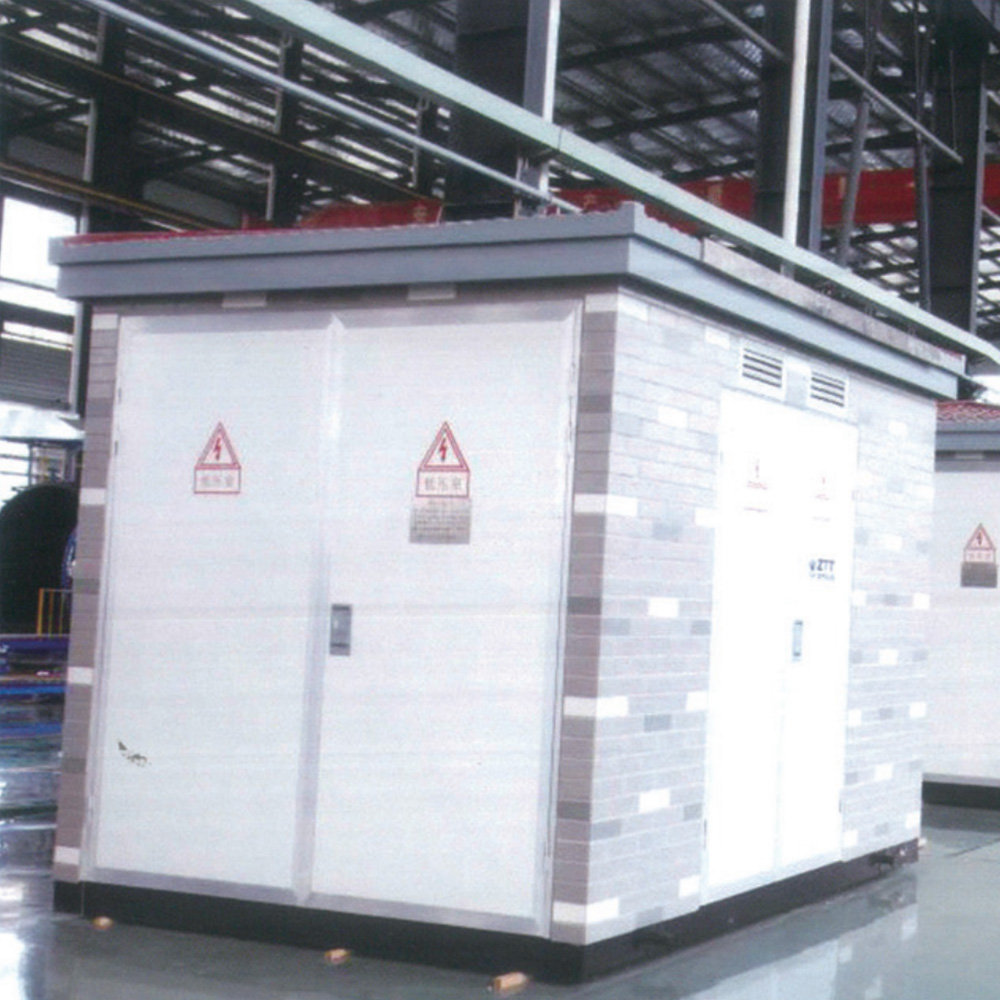
Engineers must evaluate equipment based on measurable outcomes. A proper dry transformer comparison requires analyzing thermal behavior. We must also weigh acoustic output and expected longevity.
Thermal capacity represents a major dividing line. Oil serves as an excellent thermal buffer. Liquid absorbs sudden heat surges effectively. This allows oil filled transformers to handle sudden load spikes. They survive extreme temperature fluctuations easily. Dry types behave differently under stress. They lack a thermal buffer. They are highly susceptible to heat degradation. Pushing a dry unit past its nameplate rating causes damage. Insulation breaks down rapidly under extreme heat.
Operating noise matters in commercial spaces. Liquid inherently dampens core vibration. Oil filled units generally operate at lower decibel levels. This acoustic dampening is highly valuable. You must consider proximity to office spaces. Residential property lines also require strict noise control. Air-cooled units transmit more vibration into the surrounding environment. They often require external sound dampening panels.
Lifespan expectations vary based on the technology. Oil filled transformers routinely exceed 30 to 40 years of service. This assumes teams perform proper fluid maintenance. Dry types typically average a 15 to 25-year lifespan. They operate well under standard loads. However, environmental dust and humidity can shorten this lifespan.
Energy efficiency standards govern both designs. Both can meet stringent modern efficiency standards. The DOE 2016 regulations apply universally. However, an oil immersed transformer comparison reveals slight efficiency advantages. Oil types inherently suffer slightly lower no-load losses. The liquid insulation allows closer coil proximity. This compact internal geometry reduces wasted energy.
Operational Capabilities and Engineering Metrics
| Metric | Dry Type Technology | Oil Immersed Technology |
|---|---|---|
| Primary Cooling Medium | Ambient Air / Solid Insulation | Mineral Oil / Ester Fluids |
| Overload Handling | Poor (Low thermal mass) | Excellent (High thermal mass) |
| Typical Lifespan | 15 - 25 Years | 30 - 40+ Years |
| Operating Noise Level | Higher (Air transmits vibration) | Lower (Liquid dampens sound) |
| Environmental Risk | Zero fluid spill risk | High soil/water contamination risk |
Safety regulations represent strict dealbreakers for contractors. Fire codes dictate equipment placement. Environmental regulations restrict outdoor installations. We must evaluate these constraints carefully.
Indoor deployment carries severe fire risks. Standard mineral oil remains highly combustible. The National Electrical Code (NEC) enforces strict rules. Local regulations mandate expensive fire-resistant vaults. Indoor oil units require heavy concrete catch basins. These containment systems prevent burning oil from spreading. Dry types offer a completely different safety profile. They are inherently self-extinguishing. The solid insulation is non-explosive. You can install them directly adjacent to the load. They safely operate inside hospitals. They belong on high-rise commercial floors. Manufacturing plants place them near heavy machinery. They require zero structural modifications for fire safety.
Environmental liability drives many procurement decisions. Oil spills present massive soil contamination risks. Groundwater pollution brings severe federal penalties. Outdoor oil filled units require secondary containment. Engineers must design expensive concrete berms. These berms must capture the entire fluid volume. Dry types eliminate fluid spill liability entirely. You never worry about EPA fines. You avoid complex soil remediation projects.
Alternative liquids offer a middle ground. Manufacturers now offer High Fire Point fluids. Natural esters and vegetable oils improve safety. They mitigate some traditional oil-filled fire risks. They have higher flash points than mineral oil. However, they remain liquids. They still require robust spill containment. They do not eliminate secondary containment costs.
We must shift focus from technical specifications. Procurement economics drive final project approvals. Operational budgets dictate long-term feasibility. We must isolate the direct costs involved.
Initial capital expenditure strongly favors liquid designs. Oil filled transformers generally have a lower purchase price. They cost 15 to 30 percent less than equivalent dry types. The raw materials and manufacturing processes cost less. This makes them highly attractive to purchasing departments.
Installation costs complicate this financial picture. Oil filled transformers are heavier but physically smaller. Rigging heavy units requires specialized cranes. If installed indoors, building fire vaults drastically increases the price. The vault construction often exceeds the transformer cost. This reality makes dry types cheaper to deploy indoors. You avoid pouring containment walls. You avoid installing specialized fire suppression systems.
Preventative maintenance operations require distinct skill sets. Oil immersed units demand specialized fluid testing. You cannot ignore liquid degradation. Maintenance teams must follow specific procedures.
Extracting fluid samples from the main tank securely.
Performing Dissolved Gas Analysis (DGA) to identify internal arcing.
Executing dielectric breakdown tests to verify insulation strength.
Conducting visual leak inspections across all gaskets.
Filtering or replacing degraded fluid based on laboratory results.
Dry type maintenance requires minimal effort. They feature minimal moving parts. They contain zero fluid to sample. Maintenance is largely limited to routine visual inspections. Technicians use thermal imaging for spotting hot spots. They vacuum accumulated dust from the coils periodically. They re-torque electrical connections annually. This drastically reduces ongoing labor costs.
End-of-life procedures also differ significantly. Disposing of insulating oil carries specific burdens. Older units might contain hazardous waste. Recycling mineral oil requires certified environmental contractors. Dry types avoid these specialized handling costs entirely. You simply scrap the metal core and coils.
Selecting the right equipment requires a use-case-driven approach. You must match the technology to the environment. The following framework prompts immediate next-step actions.
When to Specify Dry Type Transformers:
Indoor commercial installations including office buildings and retail centers.
Mission-critical data centers requiring zero fire risk.
Healthcare facilities and hospitals mandating strict indoor safety.
Sites operating under zero-spill environmental policies.
Facilities lacking specialized maintenance teams for complex fluid analysis.
Situations demanding equipment installation directly next to the load.
Projects aiming to minimize secondary cabling losses.
When to Specify Oil Filled Transformers:
Outdoor utility substations managing grid-level distribution.
Large-scale solar farms exposed to harsh weather conditions.
Heavy industrial yards processing raw materials outdoors.
Applications requiring extremely high voltage ratings above 35kV.
Facilities presenting high KVA power demands continuously.
Environments saturated heavily by particulate matter or extreme moisture.
Scenarios expecting frequent heavy load fluctuations.
The choice between a dry type transformer vs oil filled transformer requires strict evaluation. It is rarely just about upfront purchase costs. It represents a calculated engineering balance. You must weigh the installation location against safety compliance. Thermal demands must align with long-term maintenance capabilities. We encourage readers to audit their site constraints immediately. Check your available space. Review your ventilation systems. Verify your local fire code requirements. You should consult a certified electrical manufacturer. Run a localized economic and engineering analysis before procurement. Proper planning ensures decades of reliable electrical performance.
A: Yes. However, it requires strict NEC code compliance. You must install fire-rated liquid containment vaults. The room needs specialized ventilation and fire suppression systems. These mandatory structural modifications drive up installation costs significantly. They often negate the lower upfront equipment price entirely.
A: Yes. Air operates as a significantly less efficient cooling medium. Liquid dissipates heat much faster. Therefore, dry type units require more physical clearance. They need larger core and coil assemblies. Manufacturers must increase the surface area to achieve the same KVA rating safely.
A: Oil-filled units require far more rigorous maintenance. You must hire specialized technicians. They perform regular oil sampling and Dissolved Gas Analysis. They must check constantly for fluid leaks. Dry types primarily require simple periodic cleaning. Technicians just vacuum dust and tighten electrical connections.
A: From a localized risk perspective, yes. They pose zero risk of soil or groundwater contamination. You never worry about fluid leaks. However, evaluating total environmental impact remains complex. The manufacturing footprint and end-of-life recycling processes present different tradeoffs. Both technologies impact the environment differently.


