


Views: 0 Author: Site Editor Publish Time: 2026-07-10 Origin: Site


Designing a commercial power system brings a critical dilemma. You must balance indoor safety regulations against equipment efficiency and budget constraints. This choice impacts building operations for decades. We move beyond basic technical definitions here. We provide a strict evaluation framework for procurement and engineering teams. Navigating the Dry Oil Transformer comparison requires careful analysis. You must weigh upfront installation realities against 20-to-30-year operational expenditures.
Every commercial facility presents unique spatial and regulatory challenges. A hospital electrical room differs vastly from an outdoor shopping center pad. You cannot rely on purchase price alone. You must consider secondary cooling costs, fire vault construction, and routine maintenance labor. This guide details exactly how cooling mediums, spatial limits, and strict fire codes dictate your final equipment selection. By the end, you will confidently specify the correct unit for your specific commercial application.
Safety dictates location: Dry-type units are the standard for indoor commercial use due to fire safety, while an oil transformer is typically restricted to outdoor pads or fire-rated vaults.
CapEx vs. OpEx tradeoff: Dry-types cost more upfront and consume more HVAC energy; oil units cost less initially but require extensive environmental containment and maintenance.
Lifespan expectations: Oil-immersed units generally outlast dry-types (30+ years vs. 15-25 years) but carry higher environmental liability.
Compliance is non-negotiable: Local building codes (e.g., NEC, NFPA) will largely pre-determine your shortlisting criteria based on where the unit will sit.
You must first understand how these two transformer types manage heat. The cooling medium directly influences performance, safety, and placement. It dictates how the equipment responds to electrical stress over time.
Dry-type systems rely entirely on ambient air for cooling. They utilize solid insulation materials rather than liquids. Manufacturers typically construct them using either Cast Resin or Vacuum Pressure Impregnation (VPI) techniques. Cast resin completely encases the windings in epoxy. VPI dips the coils in a specialized polyester resin.
Pros: They present zero spill risk. They are inherently flame-retardant and self-extinguishing. Routine maintenance remains incredibly minimal. You rarely need specialized hazardous material handling.
Cons: Air is less efficient at dissipating heat than liquid. These units suffer from a lower overload capacity. They also produce a louder operational hum. You will likely require acoustic dampening materials when placing them near office spaces.
These units use mineral oil or synthetic fluids. The fluid serves a dual purpose. It provides dielectric insulation and actively transfers heat away from the core. The liquid circulates through internal radiators, keeping internal temperatures highly stable.
Pros: Liquid offers superior cooling capabilities. An Oil Transformer handles temporary, heavy overloads much better. It operates quietly. It also boasts a significantly longer baseline lifecycle.
Cons: Fluid sampling is a strict requirement. Standard mineral oils pose high flammability risks. You face catastrophic failure risks if fluid levels drop unnoticed.
| Feature | Dry-Type | Oil-Immersed |
|---|---|---|
| Cooling Medium | Air / Solid Insulation | Mineral Oil / Synthetic Fluid |
| Overload Capacity | Limited | High |
| Operating Noise | Louder (Needs dampening) | Quieter |
| Spill Risk | None | High (Needs containment) |
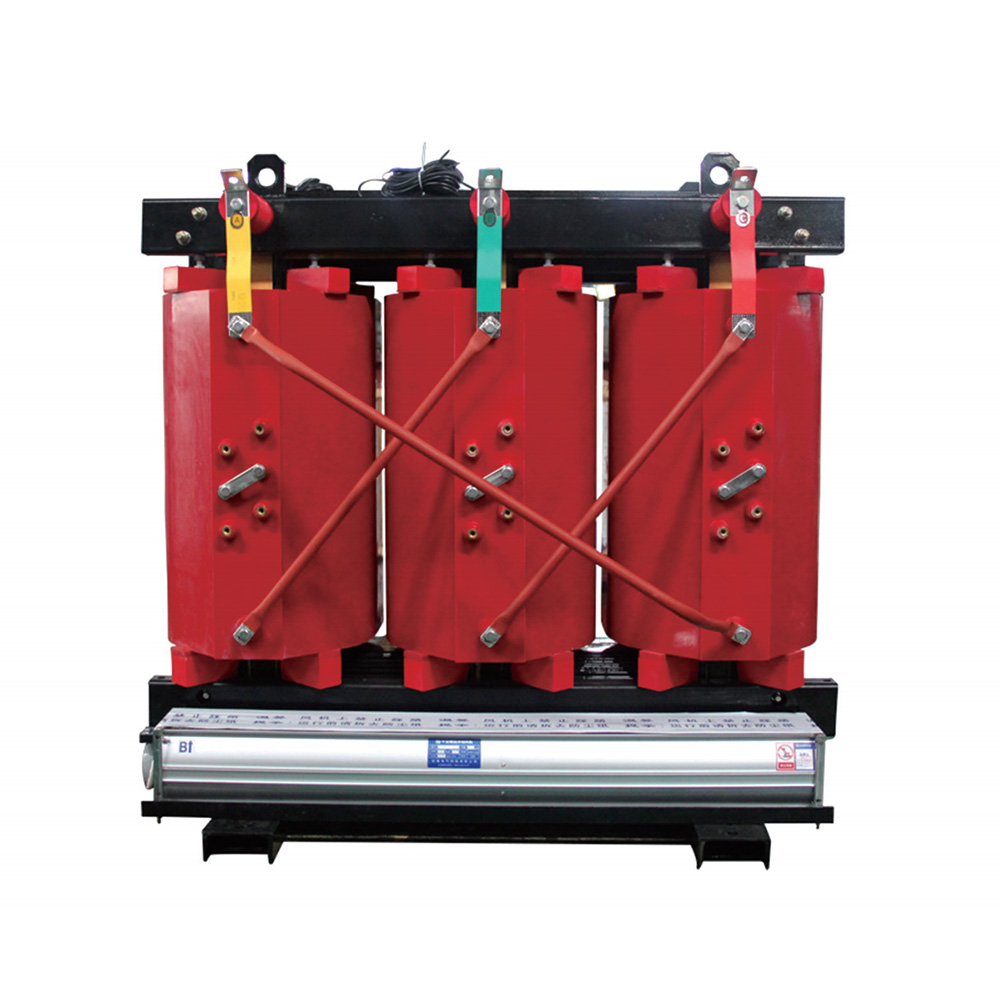
Bringing high-voltage equipment into a populated structure introduces severe compliance hurdles. Commercial high-rises, hospitals, and shopping centers demand strict adherence to building safety codes. You cannot simply place any unit inside an electrical room.
Placing liquid-filled electrical equipment indoors fundamentally challenges building compliance. Liquids can leak, vaporize, or ignite under extreme electrical faults. Commercial structures host hundreds or thousands of people daily. Life safety takes precedence over equipment efficiency. Consequently, authorities having jurisdiction (AHJ) heavily scrutinize indoor substations.
The National Electrical Code (NEC) and the National Fire Protection Association (NFPA) dictate strict placement rules. If you install an oil-immersed unit indoors, you must build a 3-hour fire-rated vault. You must also install dedicated automatic fire suppression systems. These structural additions cost tens of thousands of dollars.
Conversely, inspectors view dry-type units as the "by-right" choice for indoor substations. Their solid insulation eliminates the explosion and fire spread risks associated with mineral oil. You can place them in standard electrical rooms. They do not require reinforced, fireproof concrete vaults.
Environmental regulations complicate liquid-filled options. Modern mineral oils are PCB-free. However, they remain hazardous to local water tables. If you choose a fluid-filled unit, you must implement a Spill Prevention, Control, and Countermeasure (SPCC) plan. You carry ongoing environmental liability. A leak can result in severe fines and costly environmental remediation efforts.
Engineers often focus heavily on electrical specifications. However, physical installation realities frequently dictate the final purchase decision. You must maneuver this massive equipment into its final resting place.
Dry models require substantial air clearances around their coils to dissipate heat. This reliance on air circulation increases their physical footprint per kVA. They take up significant floor space inside a tight electrical room.
Liquid-filled units are internally more compact. The fluid cools the coils efficiently, allowing for a tighter internal assembly. However, they require external secondary containment. You must build catch basins or concrete berms around them. These containment structures effectively increase their overall installation footprint.
Indoor dry systems carry a major hidden cost. They eject large amounts of heat directly into the surrounding room. High ambient temperatures degrade solid insulation rapidly. Therefore, you must install active, heavy-duty HVAC cooling. The room must remain climate-controlled. This requirement significantly increases your building's continuous energy draw.
Facility upgrades present unique logistical nightmares. Moving a 5,000-pound piece of equipment through an occupied building requires meticulous planning. Consider the following structural constraints before finalizing your choice:
Freight Elevator Limits: Standard commercial elevators max out around 4,000 to 5,000 pounds. Heavy cast-resin units often exceed this capacity, requiring cranes for upper-floor placement.
Doorway Clearances: You must measure every hallway and double-door along the transit path. The bulky footprint of air-cooled models often necessitates wall demolition during retrofits.
Floor Loading Capacities: Suspended concrete slabs have strict point-load limits. Concentrating immense weight on a small upper-floor footprint requires structural reinforcement.
Procurement teams often look at the initial invoice. This approach is dangerously short-sighted. You must evaluate the full financial picture spanning the equipment's 30-year lifecycle.
On paper, dry models appear more expensive. They typically hold a 20% to 40% premium on the base purchase price. Their complex manufacturing process drives up this initial cost.
However, you must calculate the total installed cost. Placing a fluid-filled unit indoors requires expensive structural modifications. You must fund 3-hour fire vaults, drainage pits, and specialized suppression systems. These required additions quickly neutralize the liquid-filled unit's lower base cost.
Operational budgets diverge significantly based on your chosen cooling medium.
Liquid systems demand high direct maintenance costs. You must perform annual Dissolved Gas Analysis (DGA) testing. You must pay technicians to sample the fluid, check for moisture, and analyze combustible gases. Eventually, you will pay for fluid filtering or complete fluid replacement.
Air-cooled systems feature very low direct maintenance. Facilities teams mostly perform visual inspections, torque checks, and coil vacuuming. However, they carry higher indirect costs. The electrical room HVAC system must run constantly to remove rejected heat. This continuous energy usage impacts your monthly utility bills heavily.
Commercial buildings experience fluctuating electrical demands. Office buildings peak during the day and drop off at night. Liquid-filled units often boast better efficiency under heavy loads. Air-cooled units may perform efficiently during no-load overnight hours. You should request core loss and load loss data from the manufacturer. Compare this data directly against your building's anticipated occupancy profile.
You now understand the variables. The next step involves applying these facts to your specific building project. Use the following framework to finalize your specification.
You should default to solid insulation when safety and location restrict your options. Specify this equipment when:
The unit must sit indoors, on upper floors, or near high-pedestrian traffic zones.
Your facility lacks the structural space or budget for containment basins and fire-rated vaults.
Minimizing routine maintenance labor is a top priority for your facilities management team.
You want to eliminate the environmental liability of fluid leaks entirely.
Liquid cooling remains the superior choice for heavy-duty, outdoor applications. Specify this equipment when:
Outdoor concrete pad space is readily available and easily accessible.
The facility experiences frequent, heavy peak loads. This includes associated industrial wings or massive HVAC chiller startups.
Your initial equipment budget is extremely strict, and outdoor installation mitigates the need for expensive structural vaults.
You expect the equipment to operate near maximum capacity frequently.
The "best" choice is rarely about the transformer in isolation. Your decision relies heavily on your facility's spatial layout, regulatory environment, and maintenance capabilities. An air-cooled unit solves indoor fire safety issues but demands robust HVAC support. A liquid-cooled unit handles peak loads efficiently but requires outdoor real estate or costly indoor fire vaults.
We advise readers to calculate the true long-term operational expenditures. Factor in vault construction, ongoing HVAC energy usage, and annual DGA testing. Do not rely solely on the initial equipment invoice. Always evaluate the full 30-year lifecycle.
For your next step, encourage your team to consult with a certified electrical engineer. A procurement specialist can help match your specific load profiles with the appropriate equipment class. Make sure you align your choice with your long-term facility management strategy.
A: Yes, but it requires highly regulated, expensive structural modifications. You must build 3-hour fire-rated vaults and dedicated containment basins. You may also need specific high-fire-point fluids, like synthetic ester fluids. These strict compliance requirements usually negate the initial cost savings of the unit.
A: Dry-types are highly susceptible to environmental factors like dust, humidity, and poor ventilation. They suffer more from thermal stress over time. Solid insulation degrades permanently when overheated. Conversely, liquid insulation actively removes heat and can be regenerated, filtered, or entirely replaced.
A: Dry-types require simple annual maintenance. Technicians perform visual inspections, torque connections, and vacuum dust from the coils. Oil-filled units require much more rigorous testing. They need annual dissolved gas analysis (DGA), careful fluid level checks, moisture testing, and eventual fluid reconditioning.


