


Views: 0 Author: Site Editor Publish Time: 2026-09-04 Origin: Site


Industrial-scale operations, utility grids, and high-demand commercial facilities rely heavily on seamless electricity distribution. At the heart of this colossal infrastructure sits the reliable power transformer. Unfortunately, selecting the wrong specification often leads to disastrous consequences. Mismatched equipment can cause severe transmission losses. You might face catastrophic unplanned downtime during peak operations. Facilities also risk strict penalties for non-compliance against regional grid standards.
To prevent these failures, you need a precise evaluation tailored to your environment. Evaluating the right configuration mitigates operational risk effectively. It ensures safe high-voltage management across your entire network. In this article, you will discover how to optimize lifecycle efficiency and secure stable grid performance. We will explore key design variations, essential safety features, and strict procurement strategies.
Selecting a power transformer requires aligning specific insulation and cooling types with environmental and load demands.
Primary types (liquid-filled vs. dry-type, step-up vs. step-down) dictate baseline efficiency and infrastructure requirements.
Core features like on-load tap changers and high-grade core materials directly impact long-term operational ROI and grid stability.
Procurement evaluation must include rigorous Factory Acceptance Testing (FAT) and adherence to IEEE/IEC standards to guarantee safety.
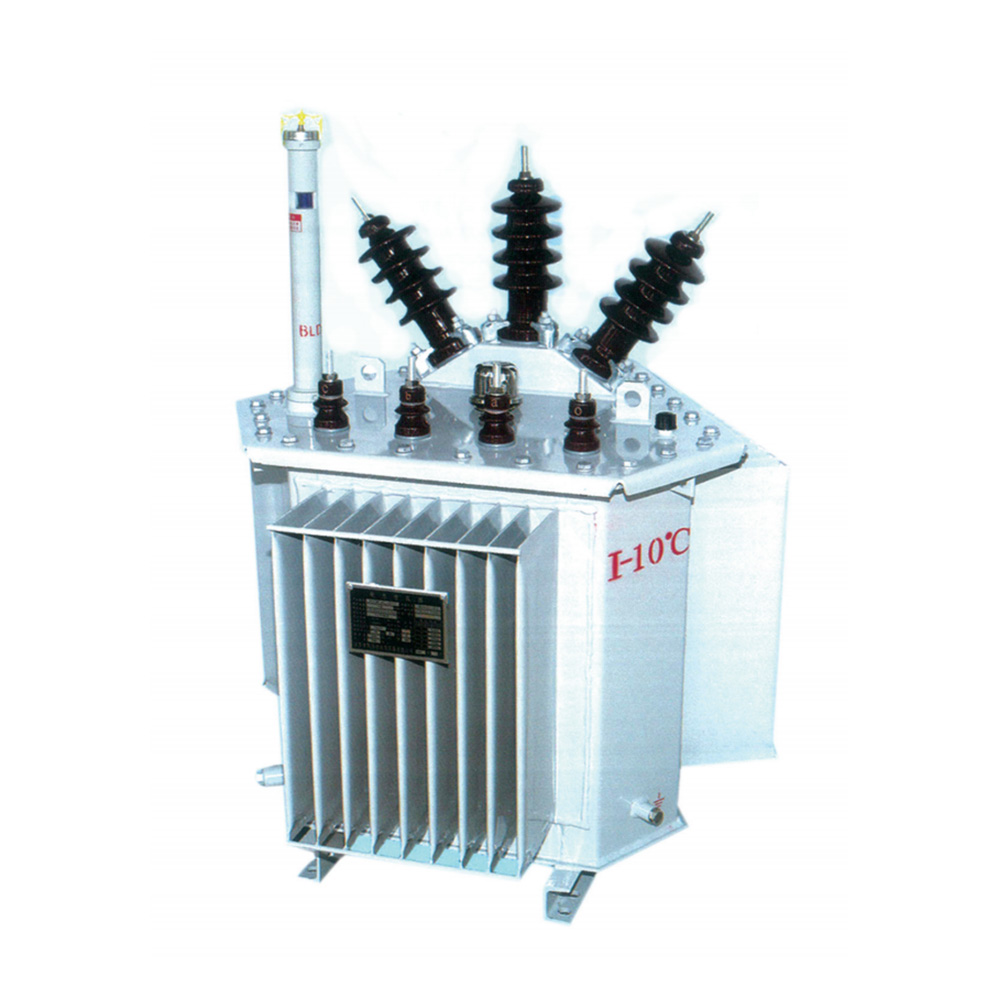
An electrical power transformer performs a vital baseline function. It steps voltage up or down to enable efficient bulk power transmission. Electricity generated at a power plant travels far. Sending it at low voltage requires massive cables. It also generates extreme heat in the wires. By stepping the voltage up, the current drops significantly. This allows electricity to travel over vast distances safely.
We must distinctly differentiate power units from standard distribution units. Power models handle extreme transmission loads primarily. They typically operate at or near 100% capacity continuously. In contrast, distribution units step voltage down directly for residential or commercial consumers. They handle constantly fluctuating loads throughout the day.
Minimizing transmission loss creates a massive business impact. Lower current means less heat generation in the transmission lines. Engineers call these I^2R or copper losses. When you lower these losses, you directly reduce operational costs. High-efficiency transmission translates into much better energy utilization. This keeps utility grids profitable and stable over decades.
Selecting the right equipment means exploring various power transformer types. You must match the physical design to your specific application.
Engineers typically evaluate single-phase versus three-phase systems initially. This decision depends on spatial constraints. You must also consider load symmetry and redundancy needs. Single-phase units offer easier transport to remote locations. You can also keep a single-phase unit as a direct spare. Three-phase units provide greater overall efficiency. They dominate heavy industrial networks due to a smaller total footprint.
Next, consider core-type versus shell-type structures. These structural differences matter immensely for maintenance. Core-type units feature windings surrounding the inner core. They provide much easier maintenance accessibility for technicians. Shell-type units surround the inner windings in heavy laminated steel. They offer superior mechanical strength during short circuits. However, repair costs often run higher for shell-type designs.
Insulation media heavily influence facility safety and cooling capabilities.
Liquid-Filled (Oil) Transformers:
These units use highly refined oil for both insulation and cooling. They work best in high-voltage, outdoor utility applications.
Superior cooling efficiency for handling massive continuous loads.
Lower initial capital expenditure compared to dry alternatives.
Potential environmental containment risks from unexpected oil leaks.
Dry-Type Transformers:
These rely on air and solid resins for insulation. They fit perfectly indoors. Commercial and environmentally sensitive facilities prefer them heavily.
Higher upfront cost for manufacturing and installation.
Zero oil-spill risk ensures strict indoor safety.
Excellent fire resistance meets strict municipal building codes.
Stringent ventilation requirements to prevent core overheating.
Table 1: Operational Comparison of Insulation Mediums
| Feature | Liquid-Filled (Oil) | Dry-Type (Resin/Air) |
|---|---|---|
| Ideal Location | Outdoor Substations | Indoor Commercial Facilities |
| Cooling Efficiency | Exceptionally High | Moderate to High |
| Fire Risk | Requires suppression systems | Self-extinguishing / Low Risk |
| Maintenance Level | Requires periodic oil sampling | Minimal (Dust removal) |
Evaluating core features helps guarantee system reliability under heavy stress.
Active and passive cooling systems dictate operational load capacity. ONAN (Oil Natural Air Natural) relies purely on natural convection. ONAF (Oil Natural Air Forced) uses external fans to boost radiator cooling. OFAF (Oil Forced Air Forced) adds internal pumps for maximum thermal efficiency. Active cooling supports higher load capacities safely. However, fans and pumps require stricter routine maintenance schedules.
Voltage regulation requires precise mechanical control. You often need On-Load Tap Changers (OLTC). They maintain a constant voltage output dynamically. Importantly, they perform this adjustment without interrupting facility operations. Off-load tap changers require a full system shutdown for manual adjustments.
Insulation class and winding materials matter greatly. Copper windings offer higher electrical conductivity and a compact size. Aluminum windings present a much more cost-effective option. However, aluminum requires a larger physical footprint. Dielectric strength remains critical. A robust high voltage transformer demands premium insulation materials to prevent internal arcing.
Modern units feature advanced diagnostic and monitoring accessories. Integrated sensors perform Dissolved Gas Analysis (DGA) continuously. DGA detects fault gases like hydrogen in the oil. Other sensors track real-time temperature fluctuations across the windings. These tools shift your strategy from reactive to predictive maintenance. You can catch minor anomalies early.
Understanding power transformer uses helps clarify their tremendous value across modern infrastructure.
Generating plants produce immense raw electricity. Step-up units integrate directly into fossil, hydro, or nuclear facilities. They elevate the baseline voltage significantly. This extreme high voltage travels across the national transmission grid efficiently. Without these units, sharing power across long distances would remain impossible.
Green energy creates unique electrical grid challenges. Solar farms and wind turbines output highly variable loads. Weather changes cause constant generation spikes. Specialized units manage these variable inputs safely. Solar inverters also produce dangerous harmonic distortions. Dedicated designs address these harmonics and eliminate DC bias effectively.
Massive industrial operations demand absolute power stability. Chemical processing, mining sites, and steel plants use heavy step-down units. They feed high-capacity manufacturing machinery continuously. In these intense environments, sudden voltage sags remain completely unacceptable. The units ensure heavy motor startups do not crash the local network.
Substations act as the vital nervous system of the grid. They serve as critical nodes for regional power distribution. They facilitate smooth grid interconnection between different regional municipal networks. Substations rely on multiple units to step down massive transmission voltages safely.
Investing in a premium unit delivers outstanding power transformer benefits for expanding organizations.
High-voltage transmission drastically reduces electrical line losses. This single factor ensures the financial viability of remote power generation. Hydroelectric dams often sit hundreds of miles from target cities. Efficient transmission makes delivering this remote power highly profitable for utility companies.
Unpredictable grids risk damaging sensitive downstream equipment. A robust power transformer absorbs these dangerous grid fluctuations safely. It acts as a massive electrical buffer. It maintains precise voltage levels continuously. This protects everything from large industrial drives to sensitive commercial servers.
Successful manufacturing facilities inevitably need to grow. The right unit enables facilities to safely expand their electrical footprint. You can integrate heavier robotics or electric furnaces easily. Proper sizing ensures your infrastructure supports aggressive future operational scaling.
Properly specified units deliver an incredible return on investment. A well-maintained unit offers a 30-to-50-year lifecycle easily. This incredible longevity presents highly predictable amortization. Facility managers can confidently plan their long-term capital expenditure budgets.
Procurement requires strict technical logic and proactive risk mitigation.
First, verify compliance and engineering standards strictly. You must mandate transparent proof of compliance from manufacturers. Look for verified adherence to IEEE, ANSI, or IEC standards. These strict frameworks ensure fundamental engineering safety. Never purchase equipment lacking proper certification documentation.
Testing requirements remain completely non-negotiable. Manufacturers must execute comprehensive Factory Acceptance Testing (FAT). This testing occurs before the unit leaves their facility. FAT includes impulse testing and frequency response analysis. Once delivered, your engineering team must perform Site Acceptance Testing (SAT). These tests prove the equipment survived transport perfectly.
Finally, assess lead times and overall vendor capability. Global supply chains remain highly volatile today. Delays in shipping can derail massive construction projects.
Evaluate your chosen vendor using these specific criteria:
Review their raw material supply chain transparency.
Assess their historical delivery timelines for similar units.
Verify post-sale technical support availability in your region.
Confirm their field service response rates for emergencies.
Strong vendor support prevents long-term operational headaches. Reliable partners guide you through complex installation challenges seamlessly.
Procuring this equipment represents a decades-long infrastructure investment. It is never a simple, off-the-shelf commodity purchase. Your ultimate goal remains balancing upfront capital against long-term lifecycle efficiency. A well-configured unit prevents catastrophic operational failures. It ensures absolute grid harmony and baseline safety.
We encourage you to contact a certified engineering team today. They will audit your current facility loads accurately. Discuss custom configurations to meet your specific environmental challenges. Request a detailed technical specification sheet to begin your infrastructure upgrade immediately.
A: When appropriately specified and maintained, expect a lifespan of 30 to 50 years. Lifecycle expectations depend heavily on continuous load demands, operating temperatures, and strict adherence to routine maintenance schedules.
A: Use a simple rule of thumb. Choose dry-type units for indoor placements where fire safety codes strictly forbid oil. Choose liquid-filled units for high-voltage, outdoor utility applications requiring maximum cooling efficiency.
A: A power unit handles extreme voltage thresholds. It typically operates at a continuous 100% load for bulk transmission. A distribution unit steps voltage down for end-users, managing variable and fluctuating daily loads.
A: An OLTC allows for active voltage regulation. It adjusts the voltage output while the transformer remains fully energized. This ensures stable power delivery without requiring expensive, disruptive operational downtime for manual adjustments.
A: Routine maintenance focuses heavily on preventative checks. High-level items include routine oil sampling and dissolved gas analysis (DGA). Technicians also perform regular thermal imaging scans, cooling fan inspections, and thorough bushing evaluations.


