


Views: 0 Author: Site Editor Publish Time: 2026-09-26 Origin: Site


High-voltage electrical failures rarely happen instantly. They usually stem from progressive thermal and electrical degradation over time. At the center of this failure-prevention framework is a specialized fluid managing heat and electrical stress.
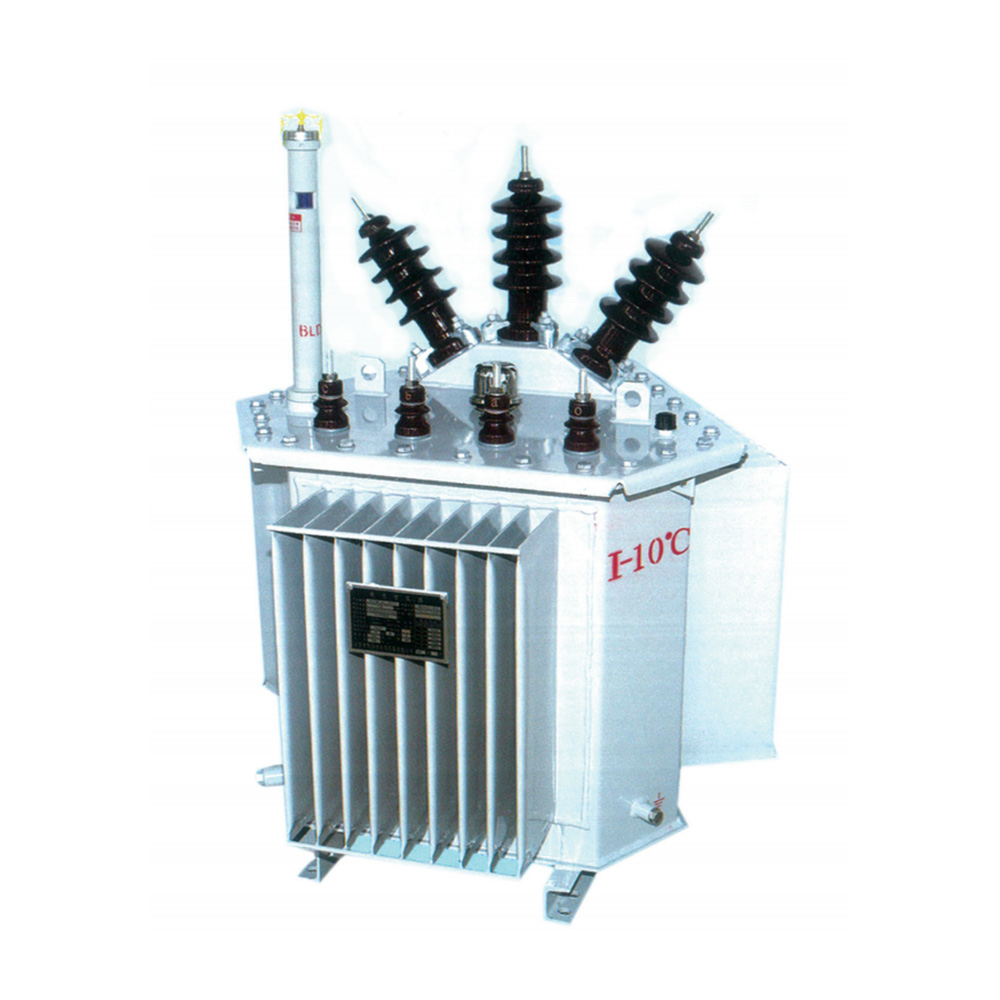
Facility managers and engineers operating an oil filled transformer must closely monitor this fluid. Understanding its exact purpose, chemical profile, and degradation rate goes beyond technical compliance. It serves as a critical uptime and safety metric for your infrastructure.
This guide explores the operational purpose of these specialized fluids. We break down how to evaluate different chemical classes based on site-specific risks. You will also learn the technical criteria necessary for procurement and ongoing lifecycle management.
The primary functions of transformer oil are dielectric insulation and thermal cooling, preventing arcing and dissipating core heat.
Naphthenic mineral oil remains the industry standard, but synthetic esters and silicone oils are increasingly required for indoor or environmentally sensitive deployments due to higher flash points and biodegradability.
Routine transformer oil maintenance—specifically Dissolved Gas Analysis (DGA) and dielectric breakdown testing—is mandatory to predict equipment failure before catastrophic downtime occurs.
Selecting the right fluid requires balancing initial procurement costs against fire safety compliance (e.g., NEC requirements), operating temperatures, and environmental regulations.
Engineers do not view internal fluids as simple lubricants. They engineer these liquids to handle extreme physical and electrical stress continuously. Understanding basic transformer oil functions is vital for maintaining long-term asset health. We evaluate these fluids across three primary mechanical duties.
Electrical grids push massive voltages through tightly packed internal coils. A highly refined transformer insulating oil acts as a robust physical barrier between these high-voltage components. It prevents current from jumping across gaps.
When voltage stresses exceed a certain limit, corona discharge can occur. The fluid suppresses this discharge and halts electrical arcing. Furthermore, transformers rely heavily on solid cellulose paper insulation wrapped around the copper windings. This paper contains microscopic voids. If air fills these voids, ionization occurs rapidly under high voltage. The oil impregnates the paper, displacing the air. This eliminates ionization risks and drastically increases the dielectric strength of the entire system.
Transformers generate intense heat during energy conversion. Core losses and winding resistance produce continuous thermal energy. A premium transformer cooling oil absorbs this heat directly from the active parts.
The fluid relies on convection to manage temperature. As the oil heats up near the core, it rises and flows toward external cooling radiators or fins. It cools against the ambient air and cycles back down to the core. This continuous loop prevents the system from overheating. More importantly, aggressive heat destroys cellulose paper insulation. By keeping temperatures stable, the fluid protects this paper from thermal degradation. This mechanism directly extends the reliable lifespan of the asset.
Beyond insulation and cooling, the fluid provides chemical isolation. Metal components and cellulose paper will oxidize rapidly if exposed to atmospheric oxygen. The fluid seals these components safely away from airborne contaminants and moisture.
Additionally, active grid components like load tap changers and circuit breakers experience mechanical switching. This switching inevitably generates electrical arcs. The fluid acts as a quenching medium. It extinguishes these arcs instantly, preventing local explosions and minimizing carbon buildup on the contact points.
Not all fluids suit every deployment environment. Procurement and engineering teams must evaluate their specific infrastructure risks before selecting a chemical class. You must match the fluid type to your environmental, regulatory, and operational constraints.
Mineral-based fluids dominate the global grid. Refineries distill them from crude petroleum. We categorize them into two distinct chemical families.
Naphthenic Oil: This fluid features a lower pour point, meaning it flows easily in freezing temperatures. It offers superior cooling characteristics due to its low viscosity. When naphthenic oil oxidizes, the resulting byproducts form a soluble sludge. Technicians can filter this sludge easily during routine servicing. It remains the top choice for standard outdoor grid applications.
Paraffinic Oil: This alternative boasts higher natural oxidation resistance. However, it suffers from lower thermal conductivity. When paraffinic fluids degrade, they create insoluble sludge. This sludge sticks to the transformer windings and blocks cooling ducts, leading to dangerous localized hot spots. Consequently, engineers rarely specify paraffinic fluids in modern high-performance setups.
Modern electrical codes and environmental standards force many facilities to abandon traditional mineral fluids. Fire risks and ecological contamination demand safer alternatives.
Silicone Oils: These synthetic fluids feature exceptionally high flash and fire points. They resist ignition even under severe arcing conditions. Engineers specify silicone primarily for indoor installations, underground vaults, or densely populated urban grids. In these zones, fire risk mitigation is non-negotiable.
Synthetic & Natural Esters: Derived from seed oils or synthetic processes, esters provide excellent biodegradability. They are environmentally non-toxic. They also tolerate moisture significantly better than mineral equivalents. Planners choose esters for environmentally sensitive areas, such as equipment near waterways, offshore wind farms, or facilities enforcing strict ESG compliance mandates.
| Fluid Category | Base Chemistry | Fire Safety (Flash Point) | Environmental Impact | Primary Application |
|---|---|---|---|---|
| Naphthenic Mineral | Petroleum Distillate | Standard (~140°C) | Toxic / Non-biodegradable | Outdoor Substations, Pole-Mounted |
| Paraffinic Mineral | Petroleum Distillate | Standard (~140°C) | Toxic / Non-biodegradable | Legacy Systems (Rarely new builds) |
| Silicone | Synthetic Polymer | High (>300°C) | Low Toxicity / Slow Breakdown | Indoor Commercial, Urban Vaults |
| Natural Esters | Vegetable Seed Oils | High (>300°C) | Highly Biodegradable | Eco-Sensitive Areas, ESG Projects |
Reviewing a manufacturer's data sheet requires a structured, evidence-based approach. Procurement teams cannot rely on brand names alone. You must verify strict technical specifications to guarantee robust transformer oil insulation under heavy electrical loads.
This metric measures the maximum voltage the fluid can withstand before current punches through it. Standard testing requires a breakdown voltage exceeding 30 kV for most distribution transformers. High-voltage transmission units often demand ratings exceeding 50 kV. If the incoming fluid falls below these thresholds, it cannot safely insulate the active core.
Fire point dictates safety compliance. It measures the exact temperature at which the oil emits enough flammable vapors to sustain a fire. Mineral fluids typically ignite around 150°C. Esters and silicones often exceed 300°C. Regulators evaluate these high-temperature fluids for "less-flammable" K-class ratings. Indoor deployments almost always require K-class certified liquids.
Low viscosity guarantees rapid convective flow. Thick, sluggish fluids fail to transfer heat away from the windings quickly enough. Pour point indicates the lowest temperature where the fluid remains pumpable. For extreme cold-weather deployments, such as pole-mounted units in northern winter climates, you must demand an exceptionally low pour point to prevent fluid freezing.
Water and acid destroy high-voltage equipment. Procurement must demand extremely low initial moisture content, measured in parts per million (ppm). You also need a near-zero acid number. Both contaminants accelerate cellulose paper degradation and immediately ruin the dielectric strength of the entire system.
Do not procure uncertified fluids. Ensure your shortlisted product explicitly complies with major global standards. Look for IEEE C57.106 guidelines, ASTM D3487 specifications for mineral types, or IEC 60296 international benchmarks. These frameworks guarantee the chemical stability and safety of the product.
Always request batch-specific test reports from the supplier, not just generic marketing data sheets.
Specify whether you need inhibited oil (contains anti-oxidation additives) or uninhibited oil based on your maintenance capabilities.
Ignoring the compatibility of the new fluid with existing seals and gaskets, which can lead to massive leaks.
Failing to account for the ambient temperature extremes of the installation site when evaluating viscosity.
Installing a high-quality fluid is only the first step. You must actively manage the asset over its 20 to 30-year operational lifespan. Proper transformer oil maintenance mitigates catastrophic risks and ensures uninterrupted power delivery.
Transformer fluids degrade continuously. Thermal stress bakes the oil, oxygen infiltrates the tank, and moisture inevitably finds a way inside. We rely on strict diagnostic testing to monitor this degradation.
Dissolved Gas Analysis (DGA): DGA stands as the most critical diagnostic tool in the industry. As internal faults occur, they break down the fluid molecules, generating specific hydrocarbon gases. Testing labs analyze these dissolved gases to pinpoint hidden failures before physical alarms sound. For example, high hydrogen levels indicate active electrical arcing. A spike in ethylene points directly to severe overheating, often exceeding 700°C.
Dielectric Breakdown Testing: Technicians regularly pull physical samples to test the current insulating capacity. They apply an increasing voltage across a standard gap in the fluid until it arcs. If the breakdown voltage drops below acceptable limits, the fluid is compromised.
When tests reveal degradation, engineers must choose the correct intervention. You do not always need to discard the fluid entirely.
Dehydration and Degassing: We require this service when moisture ppm spikes or dissolved combustible gases reach warning levels. Technicians use mobile vacuum dehydration rigs. They heat the fluid and pass it through a deep vacuum, pulling out dissolved water and volatile gases. This restores the dielectric strength rapidly.
Reclamation (Fuller's Earth Treatment): Use this method when the acid number rises significantly and soluble sludge begins forming. The process pumps the fluid through large beds of Fuller's Earth clay. The clay chemically adsorbs the acids and polar contaminants. This treatment restores the chemical profile without replacing the expensive fluid.
Complete Replacement: We evaluate full replacement when the fluid exhibits severe, irreversible oxidation. If heavy sludge coats the windings, or if you discover legacy PCB (polychlorinated biphenyl) contamination, you must drain, flush, and replace the entire volume immediately.
Transitioning to a new fluid or upgrading your maintenance program requires an organized action plan. Follow this strict shortlisting logic to drive qualified conversions safely.
Audit Current Infrastructure: Assess the exact age, peak load capacity, and environment of your existing units. Document whether they reside indoors, outdoors, or near sensitive waterways.
Align with Compliance: Review local fire codes and national environmental regulations. Determine if a shift from traditional mineral oil to ester-based K-class fluids is legally mandated. Consult your insurance provider, as upgrading to fire-resistant fluids often lowers facility insurance premiums.
Establish Baseline Metrics: For operational transformers, do not guess their condition. Pull a fresh DGA and physical properties report. Use this data to determine if the unit requires a simple top-up, deep vacuum filtration, or a complete fluid replacement.
Consult with Specialists: High-voltage chemistry is complex. Engage with certified fluid testing laboratories and specialized high-voltage fluid suppliers. They will help you match exact chemical specifications directly to your transformer's original nameplate requirements.
High-voltage fluids perform a dual critical function. They provide absolute dielectric insulation to prevent electrical failures while simultaneously driving convective thermal management to handle destructive heat. Managing these fluids correctly dictates the safety and longevity of the entire grid infrastructure.
Treating transformer fluid as a simple "set and forget" commodity inevitably leads to catastrophic hardware loss. Progressive degradation happens silently. Without active monitoring, minor faults escalate into major fires or explosive grid failures.
We recommend basing all fluid selection on a strict matrix of your thermal requirements and fire safety compliance mandates. Pair your procurement strategy with proactive, scheduled diagnostic testing. By analyzing dissolved gases and physical properties regularly, you ensure maximum asset uptime and comprehensive site safety.
A: Standard commercial and industrial units require annual physical and chemical testing. However, for critical grid infrastructure, heavily loaded units, or aging assets nearing the end of their design life, you should perform Dissolved Gas Analysis (DGA) every three to six months to monitor fault progression safely.
A: You should never mix different chemical classes. Mixing naphthenic and paraffinic mineral oils disrupts sludge solubility. Mixing mineral oils with synthetic esters alters the flash point, compromises fire safety ratings, and instantly voids manufacturer warranties. Always flush the tank thoroughly before introducing a new fluid type.
A: Beyond transformers, facilities use these highly refined fluids in high-voltage capacitors, heavy-duty circuit breakers, and mechanical load tap changers. Engineers utilize them in these devices primarily for their rapid arc-suppressing properties and ability to insulate moving high-voltage contacts.
A: Most power pole transformers utilize standard naphthenic mineral oil. Utilities choose it for its excellent cold-weather pour point and reliable cooling efficiency. However, natural esters are rising in popularity for pole-mounted units to minimize ecological damage if a tank ruptures during a storm.


