


Views: 0 Author: Site Editor Publish Time: 2026-09-07 Origin: Site


Selecting a power transformer is a high-stakes capital expenditure. It involves much more than basic voltage regulation. Improper specification leads to severe transmission losses. It causes grid instability and catastrophic operational downtime. We must briefly define the fundamental mechanism. These massive units step voltage up for efficient, long-distance transmission. They also step voltage down for safe local distribution. However, you must quickly transition into real-world applications. Operating environments strictly dictate structural design, regulatory compliance, and procurement strategies. Our goal here moves beyond basic definitions. We provide engineers and procurement leaders with a concrete evaluation framework. This framework ties directly to specific power transformer uses across various industry applications. You will learn exactly how to align technical specifications with your unique operational demands.
Application-Driven Design: The operating environment (utility grid, heavy industry, renewables) strictly defines the cooling method, insulation requirements, and footprint of the unit.
Risk Mitigation is Primary: Evaluation relies heavily on matching transformer specifications (e.g., thermal thresholds, fault tolerance) to actual load cycles rather than theoretical maximums.
Supply Chain Realities: Extended lead times and stringent compliance standards (IEEE/IEC) necessitate early, precise technical evaluation over price-only procurement.
The utility grid forms the backbone of regional and national electrical distribution. These demanding environments require continuous, baseload reliability. Failure here impacts millions of end-users and disrupts regional economies. We divide utility applications into two primary nodes based on their network location.
Power plants position Generation Step-Up (GSU) units directly adjacent to generators. Generators typically produce electricity at medium voltages. This level remains highly inefficient for long-distance travel. GSU units elevate this voltage significantly. High-voltage transmission reduces resistive losses across hundreds of miles of power lines. These units operate under near-constant, full-load conditions. They demand exceptional thermal management and extreme internal fault tolerance.
As electricity nears populated areas, it enters a substation. Substation step-down units reduce high-voltage transmission back to safer levels. This feeds local distribution networks reliably. When you specify a transmission transformer, you must look beyond basic capacity. The load profile here fluctuates daily based on consumer demand.
Buyers must prioritize advanced cooling systems when specifying a utility transformer. Options like ONAN (Oil Natural Air Natural) or ONAF (Oil Natural Air Forced) adapt automatically to fluctuating ambient temperatures. You also need long-term fault tolerance. Integration with SCADA (Supervisory Control and Data Acquisition) systems is non-negotiable. SCADA enables real-time grid monitoring and predictive maintenance.
Avoid generic claims about high efficiency. Industry standards require rigorous calculation of loss evaluation criteria. You should carefully assess the following metrics during procurement:
No-Load Losses: Energy consumed by the magnetic core simply by being energized, regardless of actual load.
Load Losses: Energy lost through the copper or aluminum windings during active power transmission.
Auxiliary Losses: Power consumed by cooling fans, oil pumps, and control systems.
Utility procurement standards require you to capitalize these loss values over the unit's entire lifespan. This rigid mathematical approach ensures your final selection delivers true operational value over decades of service.
Heavy industrial environments operate under extreme electrical stress. These facilities deal with volatile electrical loads and severe harmonic distortions. They also face harsh physical operating conditions daily. Standard utility grid designs fail rapidly when exposed to these manufacturing extremes.
We see highly specialized applications across several intensive industries. Steel mills utilize electric arc furnaces. These furnaces draw massive, erratic spikes of power to melt scrap metal. Chemical processing plants require ultra-stable direct current, necessitating specialized rectifier designs. Mining operations deploy mobile substations deep underground. These units face high moisture, dust, and vibration. Large-scale data centers represent a modern industrial application. They demand flawless power quality and complete redundancy to prevent catastrophic data loss.
An industrial power transformer faces unique challenges. You must evaluate it based on its ability to handle cyclical overloading. It must also resist various environmental contaminants. Procurement teams should mandate specific ruggedized features.
Harmonic Shielding: Inverters and arc furnaces generate severe harmonic distortion. This causes premature thermal degradation inside the unit. You must specify robust shielding to dissipate this dangerous heat.
Specialized Winding Configurations: Zig-zag windings or complex multi-pulse configurations help cancel out harmonic frequencies before they damage the core.
Contaminant Resistance: Mining and chemical units require hermetically sealed tanks. This prevents corrosive gases or conductive dust from contaminating the dielectric fluid.
Engineers must verify strict compliance with industrial safety standards, including NEMA and IEC guidelines. You must adopt a heavily customized engineering approach to ensure long-term industrial reliability.
Solar farms and wind turbine networks introduce unique grid challenges. They produce intermittent generation based on weather conditions. This creates highly fluctuating voltage profiles. Traditional infrastructure struggles to manage these rapid swings effectively.
We categorize renewable infrastructure into three main areas. Wind farm collector substations gather power from dozens of individual turbines. Solar PV step-up stations elevate inverter output to grid-level voltages. Battery energy storage systems (BESS) represent a critical third category. BESS applications require bidirectional power flow. They charge during peak production and discharge during peak demand.
A renewable energy transformer requires highly specific design accommodations. Standard units cannot handle the intense harmonics generated by modern solar and wind inverters. These units also experience frequent and aggressive thermal cycling. A cloud passing over a solar farm drops generation instantly. This rapid cooling and heating stresses internal insulation severely.
Furthermore, wind applications often require non-standard footprints. Nacelle installations sit hundreds of feet in the air inside wind turbines. They demand extremely compact, lightweight, and vibration-resistant designs.
Operational realities show renewable units often age faster due to cyclical loading. You must specify electrostatic shields between the primary and secondary windings. These shields manage dangerous inverter switching spikes. Customized voltage regulation tap changers are equally essential. They maintain stable grid output despite rapidly shifting environmental inputs.
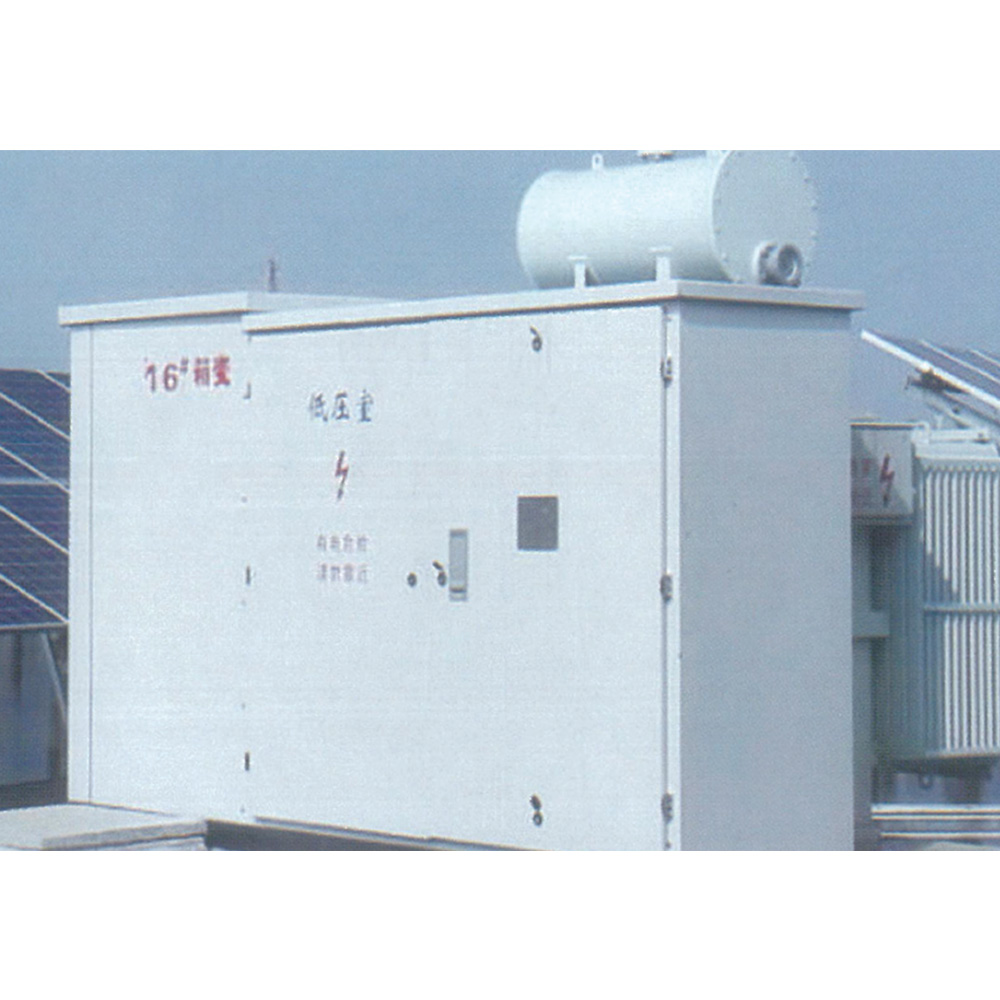
Decision-makers need a clear framework to match application to specification. Procurement cannot rely on assumptions. You must systematically evaluate capacity, cooling media, and regional efficiency regulations.
You must rigorously assess continuous versus peak load requirements. We strongly warn against chronic under-sizing. Operating a unit constantly above its rated capacity degrades internal paper insulation rapidly. This creates a severe risk of catastrophic failure. Conversely, over-sizing wastes valuable capital. It also increases continuous core losses unnecessarily. You should analyze historical load data and future expansion plans before finalizing the kVA rating.
The engineering debate usually centers on liquid-filled versus dry-type designs. Liquid-filled units use mineral oil or synthetic ester fluids. They offer excellent cooling capabilities for large outdoor installations. Ester fluids provide a higher flash point, lowering fire risks significantly. Dry-type units eliminate spill risks entirely. They use cast resin or vacuum pressure impregnation (VPI). They are ideal for indoor placement and commercial buildings requiring strict fire safety compliance.
| Feature | Liquid-Filled (Mineral Oil / Esters) | Dry-Type (Cast Resin / VPI) |
|---|---|---|
| Primary Placement | Outdoor substations, industrial yards | Indoor commercial, underground mining |
| Fire Safety Risk | Moderate to high (requires containment) | Very low (self-extinguishing materials) |
| Cooling Efficiency | Exceptional for extreme high-voltage | Limited strictly to lower/medium voltages |
| Maintenance Needs | Regular oil sampling (DGA) required | Minimal (mostly vacuuming dust/debris) |
Finally, you must navigate regional efficiency standards. The US enforces strict DOE (Department of Energy) efficiency regulations. Europe utilizes EcoDesign directives. These frameworks dictate minimum efficiency levels at specific load percentages. You must balance upfront manufacturing costs against long-term energy savings carefully. High-efficiency amorphous steel cores cost more initially but yield massive savings over a thirty-year lifespan.
Even the best engineering specification fails without proper procurement execution. You must deeply understand modern supply chain constraints, installation logistics, and rigorous testing protocols.
Procurement leaders face severe global supply chain constraints today. Raw materials like electrical steel and copper experience frequent shortages. Custom-engineered units routinely have lead times exceeding 12 to 24 months. You must plan well in advance. Price-only procurement often leads to delayed schedules and compromised materials. You need a strategic timeline.
Consider the physical reality of installation. You will transport components weighing hundreds of tons across complex logistical routes. This often involves specialized rail cars, heavy-haul trailers, and massive crawler cranes. Site pad preparation must be structurally flawless to prevent uneven settling. On-site oil-filling processes require specialized vacuum equipment. You must maintain pristine environmental conditions to prevent moisture ingress during assembly.
Testing and commissioning represent non-negotiable project phases. You must conduct rigorous Factory Acceptance Testing (FAT) before the unit leaves the manufacturer. Follow this with comprehensive Site Acceptance Testing (SAT) after installation. These tests verify dielectric strength, exact voltage ratios, and sweep frequency response. They confirm overall structural integrity before you energize the power grid transformer. Skipping these tests invites immediate grid failure.
Advise your procurement team to evaluate OEMs based on holistic metrics. Look deeply into historical reliability data. Assess their post-sale service capabilities and response times. Warranty clarity and testing transparency serve as vital indicators of a trustworthy engineering partner. A cheap unit quickly becomes a massive liability if the manufacturer refuses to share detailed FAT data.
Where you use your equipment dictates every fundamental aspect of its engineering and procurement. Utility grids demand baseload reliability and advanced cooling. Heavy industrial facilities require severe harmonic shielding. Renewable installations need specialized thermal management to handle intermittent generation.
Keep these action-oriented next steps in focus:
Conduct a comprehensive site load analysis to capture true peak and continuous demands.
Evaluate cooling media based strictly on physical placement and local fire safety codes.
Factor global supply chain lead times directly into your project scheduling immediately.
Consult with trusted engineering partners to draft highly precise RFQs (Request for Quotes) that account for both current needs and future scalability.
A: A distribution transformer steps voltage down for final consumer use, typically handling lower voltages (under 35kV) and fluctuating residential loads. A power transformer handles much higher voltages (up to 800kV) for long-distance transmission. They are physically massive and operate near full load continuously in utility substations and generation plants.
A: A well-maintained commercial unit typically lasts between 25 and 40 years. This lifespan depends heavily on proper specification, operating environment, and routine maintenance. Conducting rigorous dissolved gas analysis (DGA) on the insulating oil helps identify internal faults early, extending the equipment's operational life significantly.
A: Dry-type units are generally best for indoor applications. They eliminate the risk of oil spills and use self-extinguishing materials, making them compliant with strict indoor fire safety codes. While liquid-filled units offer superior cooling, their flammability risks require costly fire suppression and containment vaults if installed inside commercial buildings.
A: You must provide several essential specifications to get an accurate quote. Include the required kVA capacity rating, primary and secondary voltage levels, and operating frequency (e.g., 50Hz or 60Hz). You also need to specify the desired impedance percentage, cooling requirements, and environmental details like site altitude and ambient temperature extremes.


